


Enhance Your Singing with Italian Opera Diction Services
Mastering Italian opera singing is a journey that demands more than just vocal prowess. It requires a deep understanding of the language, its nuances, and the ability to convey emotion through precise pronunciation. Italian opera diction services offer a unique opportunity to refine these skills, helping singers unlock the full potential of their performances. By focusing on authentic Italian diction, singers can connect more genuinely with their audience and elevate their artistry to new heights.
The Importance of Italian Opera Diction Services
Italian opera diction services are essential for anyone serious about performing Italian repertoire authentically. Italian is the language of many of the most beloved operas, and its lyrical qualities demand careful attention to pronunciation and phrasing. Without proper diction, even the most beautiful voice can lose its impact.
When working with a diction coach, you learn to articulate vowels and consonants clearly, maintain the natural rhythm of the language, and express the emotional content embedded in the text. This process involves more than memorising words; it requires understanding the cultural and historical context behind the language.
For example, the Italian vowel system is pure and consistent, unlike English, where vowels can vary widely. A diction coach will guide you through these subtleties, ensuring that your singing sounds natural and fluent. This clarity not only improves your vocal technique but also enhances the audience's comprehension and emotional response.

Italian opera scores often include detailed diction notes to aid singers.
How Italian Opera Diction Services Improve Your Performance
Engaging with Italian opera diction services provides practical benefits that directly impact your singing. Here are some key ways these services enhance your performance:
Improved Pronunciation: You learn to pronounce Italian words accurately, avoiding common mistakes that can distract listeners.
Enhanced Expression: Understanding the meaning and emotion behind the words allows you to deliver a more compelling performance.
Better Breath Control: Proper diction helps with phrasing, which in turn supports effective breath management.
Increased Confidence: Knowing you are singing with authentic diction boosts your self-assurance on stage.
For instance, consider the difference between singing the word "amore" with a flat, anglicised vowel sound versus the bright, open vowels characteristic of Italian. The latter not only sounds more beautiful but also conveys the passion inherent in the word.
Working with an italian opera diction coach can provide personalised feedback tailored to your voice and learning style. This one-on-one guidance is invaluable for addressing specific challenges and accelerating your progress.
Who is the Most Famous Italian Opera Composer?
When discussing Italian opera, it is impossible to overlook the towering figures who shaped the genre. Among them, Giuseppe Verdi stands out as perhaps the most famous Italian opera composer. His works, such as La Traviata, Rigoletto, and Aida, remain staples in opera houses worldwide.
Verdi's music is renowned for its emotional depth and dramatic intensity, qualities that demand precise diction to fully realise. His librettos are rich with poetic language, and a singer's ability to articulate every word clearly can transform a performance from good to unforgettable.
Other notable composers include Giacomo Puccini, whose operas like La Bohème and Tosca are celebrated for their lyrical beauty and expressive melodies. Puccini's works also benefit greatly from meticulous diction, as the emotional subtleties hinge on the clarity of the text.
Understanding the legacy of these composers adds another layer of appreciation and motivation for mastering Italian opera diction. It connects you to a tradition that values both vocal excellence and linguistic precision.
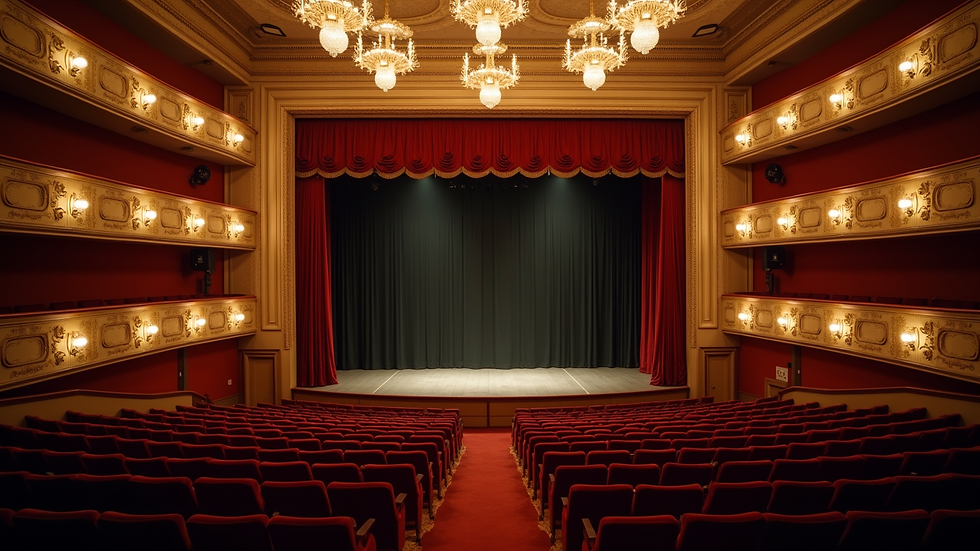
Historic Italian opera theatres continue to inspire singers worldwide.
Practical Tips for Working with an Italian Opera Diction Coach
To make the most of your sessions with an italian opera diction coach, consider the following practical tips:
Prepare Your Material: Bring your scores and any existing translations or notes. Familiarise yourself with the text beforehand.
Record Your Practice: Listening back to recordings helps you identify areas for improvement.
Focus on Vowels and Consonants: Pay special attention to the pure vowel sounds and crisp consonants that define Italian diction.
Practice Regularly: Consistency is key. Short, daily practice sessions are more effective than infrequent, long ones.
Ask Questions: Don’t hesitate to seek clarification on pronunciation, phrasing, or cultural context.
Apply Feedback Immediately: Incorporate corrections during your practice to reinforce learning.
For example, if your coach points out that your "r" sounds are too soft, try practising rolling your "r" with tongue exercises. This small adjustment can make a significant difference in your overall diction.
Remember, diction coaching is a collaborative process. Your active engagement and openness to feedback will accelerate your progress and deepen your connection to the music.
Embracing the Journey to Authentic Italian Singing
Mastering Italian opera diction is a rewarding endeavour that enriches your singing and deepens your artistic expression. By investing time and effort into italian opera diction services, you gain tools that extend beyond language skills. You develop a heightened sensitivity to musical phrasing, emotional nuance, and cultural authenticity.
This journey is not about perfection but about continuous growth. Each step forward brings you closer to the heart of Italian opera, allowing you to communicate its beauty with sincerity and power. Whether you are preparing for auditions, performances, or personal enrichment, the guidance of an italian opera diction coach can be transformative.
I encourage you to embrace this path with patience and curiosity. The rewards are profound - a voice that not only sings but speaks, touches, and moves.
By focusing on authentic diction, you honour the rich tradition of Italian opera and ensure your performances resonate deeply with audiences. The combination of vocal technique and linguistic mastery is the hallmark of a truly accomplished singer. With the right support and dedication, you can achieve this balance and elevate your artistry to new heights.


Comments